This article shares personal experiences and is for informational purposes only. It is not career or medical advice.
- Public and private hospitals use the same doctors — the real difference is government subsidy, not clinical quality.
- Private is faster but costlier; public is slower but has subsidies and Medifund that private hospitals simply can’t offer.
- Always ask your GP for a named consultant referral — a general queue means you may see whoever is rostered that day.
- Don’t skip investigations at the GP stage — under-investigating upfront often costs more in the long run.
- Healthier SG now caps chronic medication costs at private GP clinics to near-polyclinic rates for eligible patients.
There is a question that almost every Singaporean faces at some point: your GP has referred you to a specialist, and now you have to decide — public hospital or private?
It sounds straightforward until you start weighing the costs, the waiting times, the insurance situation, and the nagging uncertainty about whether the quality of care actually differs.
Most people make this decision with incomplete information, guided by gut feel and whatever their family has always done.
In the second episode of the Uncle Talks Podcast, three Singapore doctors — Dr Kenneth Tan, a family physician who regularly refers patients to specialists; Dr John Hsiang, a gastroenterologist in private practice at Mount Elizabeth and Farrer Park Hospitals; and Dr Leong Choon Kit, a GP and public health advocate — pulled back the curtain on how this decision actually works.
Their conversation covered the real drivers of healthcare costs, the structural differences between public and private care, and the practical frameworks they use to guide their own patients.
Why the Public vs Private Question Is More Complicated Than It Looks
The instinct of many Singaporeans is to assume that private means better and public means cheaper but slower. The reality, according to the doctors, is considerably more layered.
The starting point for understanding the difference is manpower cost — which, as Dr Kenneth Tan explained, is actually the same across both sectors. “Doctors can choose to either work in the public sector or in the private sector,” he said. “As wages go up, the cost will arise both for the public and private side.” The fundamental human resource that drives healthcare — the doctor in front of you — costs the same to train and employ regardless of which building they work in.
What actually creates the price difference is government subsidy. Public institutions receive direct subsidies that private ones do not, which is why a subsidised outpatient visit at a restructured hospital can cost a fraction of the equivalent consultation at a private specialist clinic.
This is not a reflection of the doctor’s calibre or the quality of the medicine being practised — it is a structural funding mechanism. Understanding this distinction matters because it reframes the question from “which is better” to “what am I actually paying for, and why.”
Both Dr Kenneth Tan and Dr John Hsiang were candid that quality of clinical care at Singapore’s restructured hospitals is genuinely high. “I feel that both the quality is actually pretty good,” Dr Tan said.
The differences, when they exist, tend to be in the experience around the care — waiting times, room configurations, the consistency of seeing the same doctor — rather than in the medicine itself.
At a Glance
Public vs Private Specialist Care in Singapore
For a broader comparison of how the two systems differ beyond specialist care, see our guide on Public vs Private Healthcare in Singapore.
The Real Cost of Going Private — and What You Are Paying For
The doctors described healthcare cost through a framework that most consumers intuitively understand but rarely apply to their medical decisions: you cannot get something that is simultaneously good, fast, and cheap.
Dr John Hsiang put it plainly — private healthcare “can be done quite fast,” with CT scans and scopes sometimes available within one to two weeks compared to months in the public system. But that speed comes at a price that is not subsidised.
For private specialists, the cost pressures have intensified significantly since Covid. John noted that rental costs for private clinic space have been rising by approximately ten per cent per year since 2020 or 2021.
Nursing wages across both sectors have also climbed — the most recent figures cited in their conversation showed a seven per cent pay rise for nurses in public hospitals, a benchmark that flows through to the private sector as well.
These are not abstract numbers. They translate directly into consultation fees and procedure costs that patients encounter.
What the doctors were equally clear about is the importance of transparency. Dr John Hsiang described his own practice around procedures like colonoscopy: “I always tell them that colonoscopy can be expensive — are you okay to go ahead?”
He gives patients a price range before proceeding, particularly for those without insurance. This practice of building cost expectations upfront is something both doctors held as a professional standard.
“You cannot shock them with a bill that is out of the world when they are not warned,” Dr Kenneth Tan said. The surprise bill, in their view, is a failure of the doctor-patient relationship as much as it is a financial shock.
Healthcare Costs
The Good, Fast & Cheap Triangle
To understand what’s driving costs across the entire system, read our breakdown of Rising Healthcare Costs in Singapore.
Ward Classes, Room Types, and What They Actually Change
For patients requiring hospitalisation, the ward class decision in the public system is one of the most consequential choices they will make — and it is often misunderstood. In restructured hospitals, Class A provides a single-bedded room with a private toilet.
Class B1 moves to two beds sharing facilities, and Class B2 and C are increasingly shared arrangements. The subsidy level rises as you move down the classes, meaning Class C patients receive the highest government support for their bills.
In private hospitals, the room structure is simpler — generally single or four-bedded options, with premium suites available at the top end. Dr John Hsiang noted that the presidential suite tier at a private hospital is genuinely comparable to a luxury hotel room in cost, potentially reaching ten thousand dollars per night.
For most patients, the practical choice is between single and shared rooms, where the cost difference is more manageable.
Importantly, the doctors stressed that room class in the public system does not determine who treats you — it affects your environment and amenities, not the quality of the medicine.
Singapore Hospitals
Ward Classes Explained
How a Good GP Guides You to the Right Specialist
One of the most undervalued resources in Singapore’s healthcare system is the GP who has built genuine relationships with specialists across both sectors. Dr Kenneth Tan described his referral process in terms that reveal how much considered judgement goes into what can feel like a simple recommendation. “I look at the patient and I see what matters to them,” he said.
The factors he weighs include the urgency of the condition, the patient’s financial situation, their insurance coverage, and whether they have expressed a preference for continuity of care with a named doctor.
When he refers to private specialists, Dr Kenneth Tan’s preference is for doctors he has worked with directly — through GP cooperative meetings, shared patients, or personal acquaintance from their training years.
“I would prefer to refer them to specialists I’ve worked with before who have reasonable charges, who have high quality medical care, attention to detail, and do not overcharge ” – Dr Kenneth Tan.
This is a meaningful distinction: a trusted referral from a GP who knows the specialist personally carries a quality assurance that a random selection from a directory does not.
For patients navigating the public system, Dr Kenneth Tan recommended seeking a named consultant where possible. “I do recommend, if you can swing it, to go for a named consultant,” he said, “because that will determine who is the one giving you the medical advice.”
Without a named consultant, patients enter a general queue and may see whoever is rostered for that clinic session — which could mean a registrar or trainee, albeit one supervised by a specialist. The care is not necessarily inferior, but the continuity is less predictable.
Singapore Healthcare
How a Specialist Referral Works
General queue — assigned to whoever is rostered. Could be a registrar supervised by a specialist.
When Public Is the Better Choice
The doctors were direct about the circumstances where public hospitals are not just the more affordable option but the genuinely smarter one.
For conditions that may require a long hospital stay, expensive procedures, or ongoing treatment over many months, the public subsidised route combined with the Medifund safety net can make an enormous difference to a family’s financial position.
Medifund — one of Singapore’s three M’s of healthcare financing alongside Medisave and MediShield Life — is available only at public institutions, and it provides a crucial backstop for patients who face genuine financial hardship.
Dr Leong Choon Kit also highlighted the role of the medical social worker at public hospitals as an underutilised resource. For patients who are struggling financially, he advised: “go to see a medical social worker, try to get Medifund to help.”
This pathway exists specifically to ensure that cost does not become a barrier to necessary care, and it is one that private hospitals simply cannot offer.
For patients from less privileged backgrounds or those facing catastrophic illness, this access to structured financial assistance can be decisive.
Investigations, Scans, and the Myth That Private Always Costs More
One assumption the doctors pushed back on is the idea that investigations — MRIs, CT scans, ultrasounds — are automatically more expensive in the private sector. Dr John Hsiang noted that private imaging centres are often competitively priced and sometimes cheaper than equivalent scans at public institutions, which carry their own overhead costs including electricity, staffing, and facility maintenance.
The advantage of private imaging is primarily speed: where a public hospital might schedule an MRI several weeks out, a private centre can often accommodate within days.
Dr Kenneth Tan described how he counsels patients on imaging choices: he has preferred radiology centres that he trusts for reporting quality, and he is transparent with patients that his preference is not always the cheapest option.
“I prefer one over the others not because of the cost — actually they are a little bit more expensive — but because the quality of the reporting when it comes back is higher.” – Dr Kenneth Tan
This framing — paying a moderate premium for significantly better diagnostic clarity — is a practical way to think about investigation costs that most patients never hear articulated.
Both doctors also noted a pattern they had observed across the system: patients who decline recommended investigations at the GP level in the belief that primary care should be cheap, only to end up seeing multiple specialists in sequence trying to find answers that a single well-chosen scan could have provided upfront.
“If we had done those investigations right there and then, we could give you a better answer or even direct you to the more appropriate specialist,” Dr Kenneth Tan said.
Under-investigation at the primary care level, in other words, can end up costing more — in money, time, and anxiety — than the investigation itself.
Medications: Generic vs Branded, and Why the Doctor Matters More Than the Drug
The medication component of any specialist bill is an area where patients often feel least equipped to ask questions. Dr Kenneth Tan offered a clarifying framework: the most important variable in medication cost and effectiveness is not the drug itself but the doctor monitoring its impact.
“The most important is actually the doctor or the specialist who’s advising you on how to take these medications, what are the side effects to look out for, how do we monitor — make sure we’re hitting the targets”.
Without regular follow-up and blood tests to confirm that a medication is working, the choice between branded and generic becomes almost academic.
On the branded versus generic question itself, the doctors acknowledged real-world complexity.
Branded medications have increased in price significantly — typically five to ten per cent annually — while generics offer a more competitive market.
However, generics carry their own variability: quality can differ between manufacturers and even between batches from the same manufacturer.
Dr John Hsiang described cases where patients switching between generic versions of the same medication at different doses saw unexpected changes in their lab results. The answer, in his view, is not to avoid generics but to monitor closely when any switch is made.
If your specialist has ordered blood tests to monitor your treatment, our GP’s guide to Understanding Abnormal Blood Test Results can help you make sense of what comes back.
Healthier SG and What It Means for Private GP Patients
Singapore’s Healthier SG scheme, which has been rolling out across both public and private primary care, is changing some of the calculations around cost — though the doctors were measured about how much it has shifted things in practice.
The scheme has two main limbs relevant to patients choosing between public and private care. The first is preventive health: funded health screenings, influenza and pneumococcal vaccinations, and risk factor assessments for eligible citizens and PRs above forty years old.
The second is chronic care: a subsidised medication programme through a centralised purchasing body called Alps, which caps the price patients pay for chronic disease medications at rates comparable to public polyclinics.
For patients managing chronic conditions like hypertension or diabetes, this means that enrolling with a Healthier SG-participating private GP can now deliver medication costs broadly comparable to what they would pay at a polyclinic — without having to give up the continuity and convenience of their existing GP relationship.
Dr Kenneth Tan described the scheme as a meaningful step, while noting that the subsidies do not yet offset the full pressure of rising rental and manpower costs that private clinics face. “A lot of things are still very fluid,” he said, signalling that the scheme continues to evolve.
For a deeper look at how the scheme works and what it means for both patients and clinics, read our full guide on Understanding the Healthier SG Scheme.
Healthier SG
Medication Subsidy Tiers Explained
Making the Decision: A Framework That Actually Works
By the end of their conversation, the doctors had collectively sketched a decision framework that is more practical than anything most patients receive.
It starts with urgency: if your condition requires investigation or treatment within weeks rather than months, private care is likely the faster path. If timing is flexible, the subsidised public route offers significant cost savings without a meaningful compromise in clinical quality.
The second consideration is financial exposure. For conditions that might require extended hospitalisation, complex procedures, or ongoing specialist involvement over months or years, the public system’s subsidy structure and access to Medifund make it the financially safer choice — particularly for patients without comprehensive insurance.
For a single, well-defined procedure with a clear endpoint, private care with a trusted specialist and upfront cost transparency can offer excellent value.
The third, and perhaps most important, consideration is the GP standing between you and that decision.
Dr Kenneth Tan’s parting thought on the subject was a gentle challenge to the increasingly common pattern of patients who bypass their GP’s guidance in favour of self-directed specialist searches: “You’re missing out on a very important resource, which is our experience — many years in primary care, seeing patients with the same health conditions. You’re missing that experience that we have helping other patients with the same problems.”
Singapore’s specialist care system — public, private, and the increasingly blurred space between them — is genuinely complex.
But it is navigable, and the doctors on Uncle Talks make a compelling case that the most powerful tool any patient has is a GP they trust, who knows them well, and who has the relationships and experience to point them in the right direction.
That is not something any cost comparison table can replicate.
Want to hear more about the doctor’s opinion on healthcare in Singapore? Listen to the original Uncle Talks Podcast.
PUBLIC VS PRIVATE SPECIALIST CARE
Frequently Asked Questions
Is private specialist care better quality than public in Singapore?
Not necessarily. Clinical quality at restructured hospitals is genuinely high. The differences are mainly in waiting times, room comfort, and whether you see the same doctor consistently — not in the medicine itself.
Why is private specialist care more expensive?
Public hospitals receive direct government subsidies; private ones don’t. Both sectors pay the same market rate for doctors and nurses, and private clinics also carry rising rental costs — all of which flows through to your bill.
Should I ask for a named consultant at a public hospital?
Yes, if you can. Without a named consultant you enter a general queue and may be seen by a registrar or trainee — supervised but not always consistent. A named consultant gives you continuity and clarity over who is managing your care.
When does it make more sense to go to a public hospital?
When your condition may require a long hospital stay, expensive procedures, or prolonged treatment. Public hospitals offer subsidised ward classes and access to Medifund — a financial safety net that private hospitals cannot provide.
Are scans and MRIs cheaper at public or private facilities?
It varies — private imaging centres are sometimes comparable or even cheaper than public hospitals. The bigger advantage of private imaging is speed, often days versus weeks for the same scan.
What is Healthier SG and does it affect my choice of GP?
Healthier SG is a government scheme that caps the cost of chronic disease medications at participating private GP clinics to rates similar to polyclinics. If you manage a chronic condition, enrolling with a Healthier SG GP can reduce your medication costs without switching to a polyclinic.
Can my GP help me choose the right specialist?
Absolutely — and they should be your first call. A GP with established specialist relationships can steer you toward the right doctor for your condition, flag if your case warrants urgent private care, and help you avoid unnecessary specialist-hopping.
Medically Reviewed
About the Experts
 Doctor
Dr Leong Choon Kit
MBBS, M.Med (Public Health), GDFM, MCFP(S), FCFP(S), FAMS (Family Medicine) — Adjunct Assistant Professor, Duke-NUS & NUS
Dr Leong Choon Kit is a family physician and public health advocate with extensive experience in primary care, public policy, and vaccination initiatives. He leads Tampines Family Medicine Clinic and the Class Primary Care Network, and co-authored Singapore's Adult Vaccination Guidelines. An Adjunct Assistant Professor at both Duke-NUS Medical School and NUS, he has spent over a decade mentoring pre-medical students across all three local medical schools and is deeply committed to nurturing the next generation of doctors.
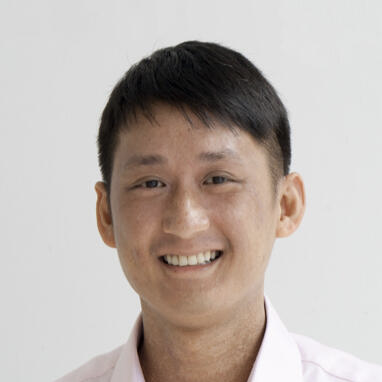 Doctor
Dr Kenneth Tan
MBBS (S'pore), Grad. Dip. Family Medicine, Grad. Dip. Sports Medicine, M.Med (Fam Med), MCFP(S), PG Dip. Clinical Dermatology (UK)
Dr Kenneth Tan is a family physician with a diverse background spanning medical education, dermatology, and sports medicine. He serves as a Council Member of the College of Family Physicians Singapore, Associate Programme Director for the Graduate Diploma in Family Medicine, and Associate Lecturer at NUS. A Sub Lead for the Class Primary Care Network and NUS medical school assessor, he brings first-hand experience of the undergraduate selection process to his practice and mentorship work.
 Specialist
Dr John Hsiang
MBChB (NZ), FRACP (Australasia), MD (Doctorate), FRCP (Edinburgh), FAMS (Gastroenterology) — Adjunct Associate Professor, NUS & Duke-NUS
Dr John Hsiang is a gastroenterologist at Mount Elizabeth Hospital with over 15 years of experience in gastrointestinal diseases, fatty liver disease, and viral hepatitis. A graduate of Otago Medical School, he completed post-specialist hepatology research at the Chinese University of Hong Kong, earning a doctorate focused on chronic liver disease. An Adjunct Associate Professor at NUS and Duke-NUS, he has over 25 peer-reviewed publications and brings an international perspective to both clinical practice and medical education.
Written By
About the Writer
 Writer
Timothy Leong
Writer, Content Editor & Marketing Specialist — MMC
Timothy Leong is the writer, content editor, and marketing specialist at MMC. With experience in writing and creating websites for local businesses, he makes sure that everything online runs smoothly.