

This content is for informational purposes only and does not constitute medical advice. Please consult your local doctor or specialist for personalised guidance.
TL;DR – Postpartum Diarrhea in Singapore
- Contrary to some international sources, postpartum diarrhea is not common among new mothers in Singapore (per Dr Leong).
- When it does occur, causes are usually hormonal changes, diet shifts, stress, or medications — most cases are mild and resolve quickly.
- Safe home management: Stay well hydrated, choose non-oily/non-spicy foods, avoid caffeine/nicotine. Probiotics may help in some cases (discuss with your doctor).
- Breastfeeding is safe to continue in almost all cases.
- Seek medical help for frequent diarrhea (e.g., hourly), blood in stool, fever, dehydration, or symptoms lasting longer than a week.
- Always consult your doctor or obstetrician for personalised advice during the postpartum period.
Postpartum diarrhea (postnatal diarrhea), is a condition where new mothers experience loose or watery stools after childbirth (diarrhea after pregnancy). This can be alarming for many, especially when dealing with the demands of a newborn.
Understanding what causes postpartum diarrhea and how to manage it can ease these concerns and help maintain better health during this crucial time.
What Causes Postpartum Diarrhea?
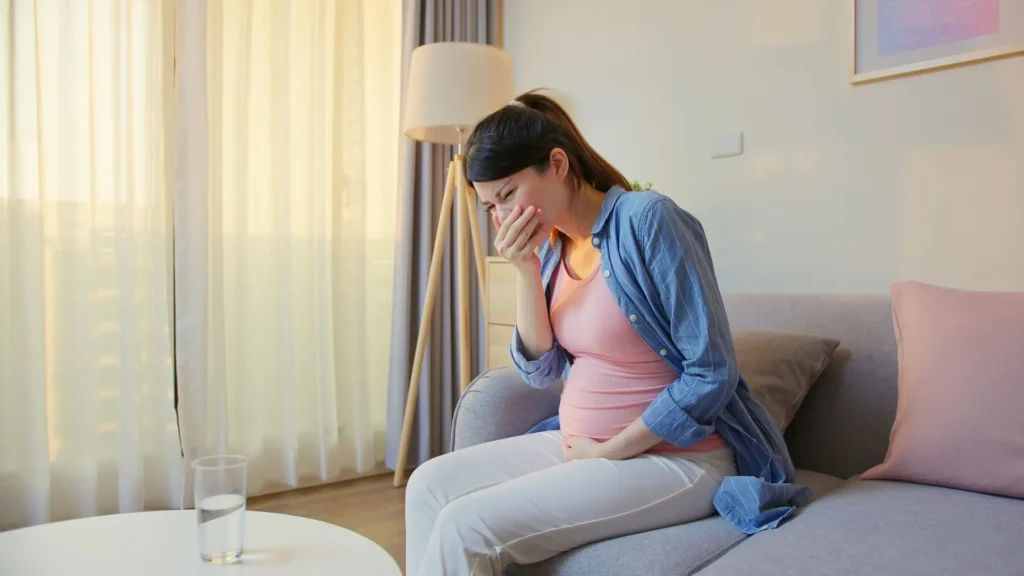
Understanding the underlying causes of diarrhea postpartum helps in managing and preventing it effectively. Several factors can contribute to this condition:
Weakened Immune System
The immune system often weakens after childbirth, making new mothers more susceptible to infections. This weakened resistance can lead to digestive issues, including diarrhea.
Diet and Nutrition in Postpartum Digestive Health
Dietary choices play a significant role in digestion. Consuming foods that are hard to digest or lack nutritional balance can upset the digestive system. New mothers might experience dietary changes that affect their bowel movements.
Stress and Bowel Movement Disorders
Stress is a common factor for new moms, impacting their overall health. High stress levels can disrupt normal bowel function, leading to conditions like diarrhea. The body’s response to stress can exacerbate digestive issues.
Other Possible Triggers: Infections and Sleep Deprivation
Infections such as E.Coli can cause severe diarrhea. Additionally, sleep deprivation, common among new parents, affects the gut’s ability to function properly. Lack of sleep disrupts the body’s natural rhythms, leading to gastrointestinal problems.
Understanding these causes aids in mitigating postpartum diarrhea through appropriate lifestyle adjustments and medical interventions.
How Common Is Postpartum Diarrhea in Singapore?
While many international sources describe postpartum diarrhea as common, Dr. Leong notes that in Singapore, it is not frequently seen. Most new mothers experience normal bowel changes, but persistent loose stools are less typical here.
There are several reasons why you might experience diarrhea after giving birth:
- Hormonal Changes: After childbirth, your body goes through significant hormonal shifts which can affect your digestion.
- Antibiotics: Some mothers may have taken antibiotics during labor or postpartum, leading to antibiotic-associated diarrhea.
- Dietary Adjustments: New dietary habits or changes in food intake can also contribute to digestive disturbances.
Many new mothers report episodes of diarrhea following childbirth. It can vary in duration and intensity but often resolves within a few days to weeks.
While diarrhea is generally not a cause for concern, there are instances where you should seek medical attention:
- If diarrhea persists beyond a couple of weeks
- If you experience severe symptoms like dehydration, fever, or abdominal pain
In these cases, consulting a healthcare provider is crucial.
What are the Symptoms of Postpartum Diarrhea?
New moms often experience postpartum diarrhea, which can range from mild to severe. Recognizing the symptoms is crucial for effective management.
Common Symptoms:
- Frequent loose or watery stools
- Abdominal cramping or pain
- Bloating and gas
- Urgency to have a bowel movement
Duration:
Postpartum diarrhea typically lasts a few days to a week. If it persists beyond this period, it might signal an underlying issue that requires attention.
When to Seek Medical Attention
Certain signs indicate the need for professional medical advice:
- Severe dehydration: Look for symptoms like dry mouth, dizziness, and dark urine.
- Persistent diarrhea: Lasting more than a week.
- Blood in stool: This can be a sign of an infection or other serious condition.
- Fever: May indicate an infection that needs treatment.
- Severe abdominal pain: Could require immediate medical intervention.
How Long Does Postpartum Diarrhea Last?
Postpartum diarrhea can vary in duration depending on several factors. Typically, it lasts for a few days to a week as the body adjusts after childbirth.
- Mild Cases: Diarrhea often resolves on its own within a few days as your digestive system stabilizes.
- Prolonged Episodes: If symptoms persist beyond a week, it may indicate an underlying issue that needs attention.
Factors Influencing Duration
- Diet and Hydration: Maintaining a balanced diet and staying hydrated can help speed up recovery.
- Stress Levels: Lower stress levels may reduce the duration of symptoms.
- Sleep Quality: Adequate rest supports immune function and may help alleviate diarrhea sooner.
When to Worry
If diarrhea continues for more than a week or is accompanied by severe symptoms like dehydration, fever, or blood in stools, consult a healthcare provider. Persistent issues could indicate infections or other health concerns needing medical intervention.
Understanding how long postpartum diarrhea lasts helps in managing expectations and knowing when to seek help if needed.
Are there Home Remedies for Postpartum Diarrhea?
Managing postpartum diarrhea at home can be effective with the right approach.
For mild cases, Dr. Leong recommends: “Generally, non-oily, non-spicy, caffeine- and nicotine-free foods are better. Hydrate well with water or oral re-hydration solutions. At times, probiotics can be useful — discuss with your doctor first.”
Hydration and Oral Re-hydration Solutions
Staying hydrated is crucial. Diarrhea can lead to significant fluid loss, which may cause dehydration. Drinking water throughout the day helps maintain fluid balance. Oral re-hydration solutions (ORS) can also be beneficial to replace lost electrolytes.
Balanced High-Fiber Diet
A balanced diet rich in high-fiber foods supports digestive health. Foods like whole grains, fruits, and vegetables aid in bulking up stools and promoting regular bowel movements.
Natural Herbal Remedies for Symptomatic Relief
Herbal remedies can offer relief from symptoms. Some popular options include:
- Ginger tea: Known for its soothing properties on the stomach.
- Peppermint tea: Can ease cramps and improve digestion.
- Chamomile tea: Helps reduce inflammation and calm the stomach.
When to see a Doctor for Postpartum Diarrhea
Dr. Leong advises that any diarrhea occurring frequently — for example, once an hour or more — should be monitored closely and treated promptly. He recommends seeking medical help for:
- Frequent loose stools (e.g., hourly)
- Blood in stool
- Fever, severe pain, or dehydration signs
- Symptoms lasting more than a few days
How to Prevent Postpartum Diarrhea
Maintaining a healthy lifestyle plays a crucial role in preventing postpartum diarrhea. Here are some key strategies:
1. Balanced Diet
Consuming a variety of fruits, vegetables, whole grains, and lean proteins supports digestive health. Avoiding overly processed foods and those high in sugar can reduce digestive stress.
2. Hydration
Drinking plenty of water helps keep the digestive system functioning smoothly. Aim for at least 8 glasses a day, more if breastfeeding.
3. Regular Exercise
Gentle activities like walking or postpartum yoga promote overall well-being and aid digestion. Physical movement encourages regular bowel movements.
4. Stress Management
Incorporating relaxation techniques such as deep breathing exercises, meditation, or light stretches can alleviate stress which impacts bowel function.
5. Adequate Sleep
Prioritizing rest and sleep is essential for recovery and immune function. Sleep deprivation can disrupt normal digestive processes.
These practices not only enhance immunity but also support a healthier digestive system during the postpartum period.
Postpartum Diarrhea and Breastfeeding
Breastfeeding moms often worry about how postpartum diarrhea might affect their baby. Generally, diarrhea in the mother does not directly impact the breastfeeding infant.
Dr. Leong reassures new mothers: “Most times the diarrhea is not related to food poisoning in Singapore, so it is safe to continue breastfeeding. Just focus on staying hydrated to maintain your milk supply.”
However, there are a few considerations to keep in mind:
Hydration
Breastfeeding increases the mother’s fluid needs. Diarrhea can lead to dehydration, making it crucial to drink plenty of water and oral re-hydration solutions.
Diet Adjustments
Some foods that exacerbate diarrhea, such as high-fat or spicy foods, might also affect breast milk composition. Maintaining a balanced diet rich in fiber helps regulate bowel movements and supports overall health.
Medications
If taking anti-diarrhea medications, consult with a healthcare provider to ensure they are safe for breastfeeding. Certain medications may pass into breast milk and could be harmful to the baby.
Stress Management
Stress can worsen both diarrhea and affect milk supply. Techniques such as deep breathing exercises, yoga, or light walks can help manage stress levels.
Nutritional Support
Consuming nutrient-dense foods like fruits, vegetables, lean proteins, and whole grains helps support both maternal health and milk production.
Ensuring these aspects can provide relief from postpartum diarrhea while maintaining effective breastfeeding practices. This holistic approach supports the well-being of both mother and child.
Lifestyle Modifications for Postpartum Diarrhea Relief
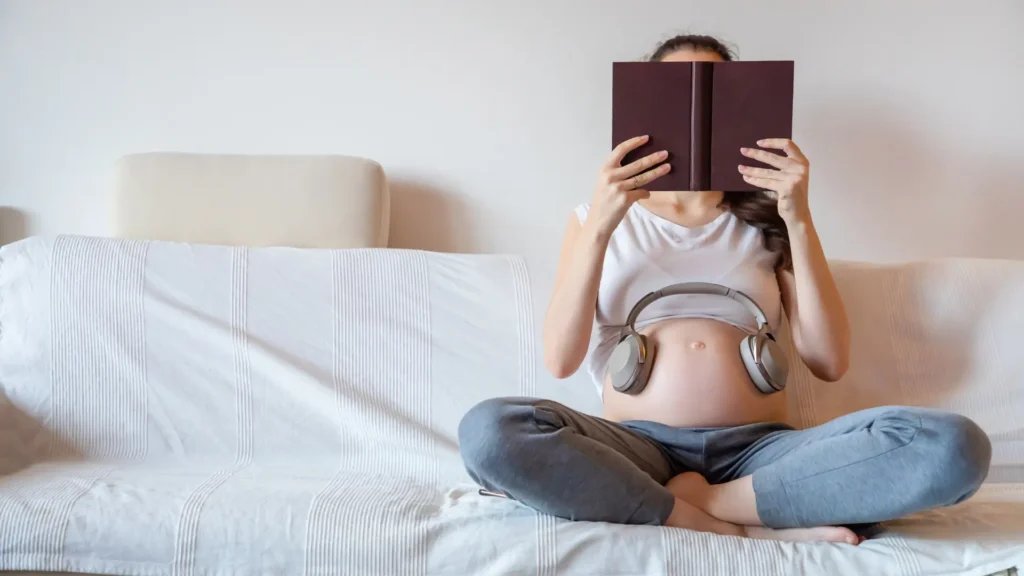
Regarding confinement practices, Dr. Leong emphasises that the most basic management is observing your diet and staying well hydrated. Sudden rich or spicy foods can upset digestion — introduce changes gradually.
Diet and Fiber Supplementation For Healthy Digestion
A balanced diet rich in fiber can significantly aid in managing postpartum constipation at home. Including fruits, vegetables, whole grains, and legumes helps maintain regular bowel movements. Foods like oats, avocados, and flax seeds are excellent sources of dietary fiber. Fiber supplements can also be beneficial, ensuring adequate intake when dietary adjustments alone aren’t sufficient.
Ensuring an Adequate Fluid Intake
Hydration is crucial for digestive health. Drinking plenty of water helps soften stools and promotes easier passage through the intestines. Aim to drink at least eight glasses of water daily. Herbal teas and clear broths can also contribute to your fluid intake, providing variety and extra hydration.
Movement and Exercise
Physical activity encourages bowel movements by stimulating intestinal contractions. Simple activities like walking, gentle yoga, or postpartum exercises can improve digestion and reduce constipation. Incorporating regular movement into your daily routine doesn’t only benefit your digestive system but also enhances overall well-being.
Conclusion
Taking care of your digestive health after childbirth is crucial. Postpartum diarrhea can be managed effectively by understanding its causes and symptoms.
Implementing home remedies like staying hydrated and maintaining a balanced diet helps alleviate discomfort. Medical treatments may sometimes be necessary, especially in severe cases.
Prioritizing these aspects ensures a smoother recovery and enhances overall well-being during the postpartum period.
FAQ – Postpartum Diarrhea in Singapore
1) Is postpartum diarrhea common in Singapore?
According to Dr Leong, postpartum diarrhea is not commonly seen among new mothers in Singapore. When it occurs, it is usually mild and short-lived.
2) How can confinement diet or postpartum practices affect bowel movements in Singapore?
Sudden changes to richer or spicier foods during confinement can sometimes upset digestion. The most basic management is observing your diet carefully and staying well hydrated.
3) How long does postpartum diarrhea typically last?
Most cases last a few days to a week. If it persists longer or worsens, consult your doctor.
4) What causes diarrhea after delivery or C-section?
Common triggers include hormonal shifts, antibiotics (especially after C-section), sudden dietary changes, stress, or infections.
5) When should I see a doctor for postpartum diarrhea?
Seek help if you have fever, blood in stool, severe abdominal pain, signs of dehydration, or frequent diarrhea (e.g., once an hour or more). Persistent symptoms beyond a week also warrant medical review.
6) Can I continue breastfeeding if I have postpartum diarrhea?
Yes — breastfeeding is safe and encouraged. Focus on staying hydrated and eating well to maintain milk supply.
7) What foods should I eat or avoid with postpartum diarrhea?
Stick to gentle, non-oily, non-spicy foods and avoid caffeine and nicotine. The BRAT diet (bananas, rice, applesauce, toast) is helpful. Hydrate well with water or oral rehydration solutions. Probiotics may be useful in some cases — consult your doctor first.
8) Are over-the-counter anti-diarrheal medicines safe postpartum?
Some are safe, but always check with your doctor first — especially if breastfeeding or on other medications.
9) Can stress or anxiety cause postpartum diarrhea?
Yes — high stress levels can affect gut function. Rest and support are important.
10) How can I prevent dehydration from postpartum diarrhea?
Drink plenty of water, oral rehydration solutions (ORS), or clear broths. Monitor urine colour (pale yellow is ideal).
Medically Reviewed
About the Experts
 Reviewer
Dr Leong Choon Kit
MBBS, M.Med (Public Health), GDFM, MCFP(S), FCFP(S), FAMS (Family Medicine) — Adjunct Assistant Professor, Duke-NUS & NUS
Dr Leong Choon Kit is a family physician and public health advocate with extensive experience in primary care, public policy, and vaccination initiatives. He leads Tampines Family Medicine Clinic and the Class Primary Care Network, and co-authored Singapore's Adult Vaccination Guidelines. An Adjunct Assistant Professor at both Duke-NUS Medical School and NUS, he has spent over a decade mentoring pre-medical students across all three local medical schools and is deeply committed to nurturing the next generation of doctors.