This content is for informational purposes only and does not constitute medical advice. Please consult your local doctor or specialist for personalised guidance.
TL;DR – How to Check for Appendicitis in Children at Home
- Appendicitis is uncommon in Singapore kids — ~100–200 suspected cases/year at KK Hospital (~1 every 2 days, excluding private cases).
- Early signs: severe tummy pain, fever, nausea, vomiting, sometimes diarrhoea; child often looks very unwell.
- Home check: gently feel abdomen for hardness/extreme pain — any strong reaction → see GP immediately.
- Red flags needing emergency care: very severe pain, high fever, ongoing vomiting/diarrhoea, extremely sick-looking child — go to ED if in doubt.
- No reliable home test exists — suspect appendicitis → see doctor straight away; avoid self-medication.
Abdominal pain in children is one of the most common reasons parents seek medical advice, yet it can range from something benign like indigestion to a serious condition requiring urgent intervention. Among these possibilities, appendicitis stands out as a particular concern because it can progress rapidly, especially in young patients.
In Singapore, where access to healthcare is generally excellent, parents often face the initial dilemma of deciding whether a child’s discomfort warrants a trip to the doctor or can be monitored safely at home.
Dr Leong Choon Kit, a seasoned GP, emphasises that while parents can observe and perform some basic checks, appendicitis diagnosis ultimately belongs in professional hands. His perspective reflects years of seeing children in primary care settings, where early symptoms can be subtle and misleading.
Understanding Appendicitis in Singapore’s Children: How Common Is It and What Early Signs Matter Most?
Appendicitis in children is relatively uncommon in Singapore compared to other childhood illnesses, but it remains a significant cause of emergency abdominal issues.
Dr Leong shares that KK Women’s and Children’s Hospital, the major public paediatric facility, sees approximately 100 to 200 cases of suspected appendicitis each year—not including private sector cases. This translates to roughly one child every two days presenting with concerns at that institution alone. While the incidence is low overall, the condition demands attention because delayed recognition can lead to complications.
The most frequent early signs parents encounter in primary care include severe abdominal pain, often accompanied by fever, nausea, vomiting, and sometimes diarrhoea. Children may appear “very sick” or, in clinical terms, “toxic looking.”
However, Dr Leong points out that presentations exist on a spectrum: “Of course, most of the time, it is on a spectrum, meaning they may present initially with much milder symptoms and it will be difficult for the parents and the General Physician to diagnose it.”
This variability makes early detection challenging. Parents might first notice vague discomfort or mild tummy upset, only for symptoms to worsen over hours or days.
Continuous monitoring is crucial, and Dr Leong advises returning to the same doctor or clinic if the child remains unwell.
In Singapore’s context, where clinics often connect via the National Electronic Health Record, this continuity helps emergency departments access prior notes quickly if the situation escalates overnight or during weekends.
Safe Ways Parents Can Observe and Check at Home—and Their Important Limitations
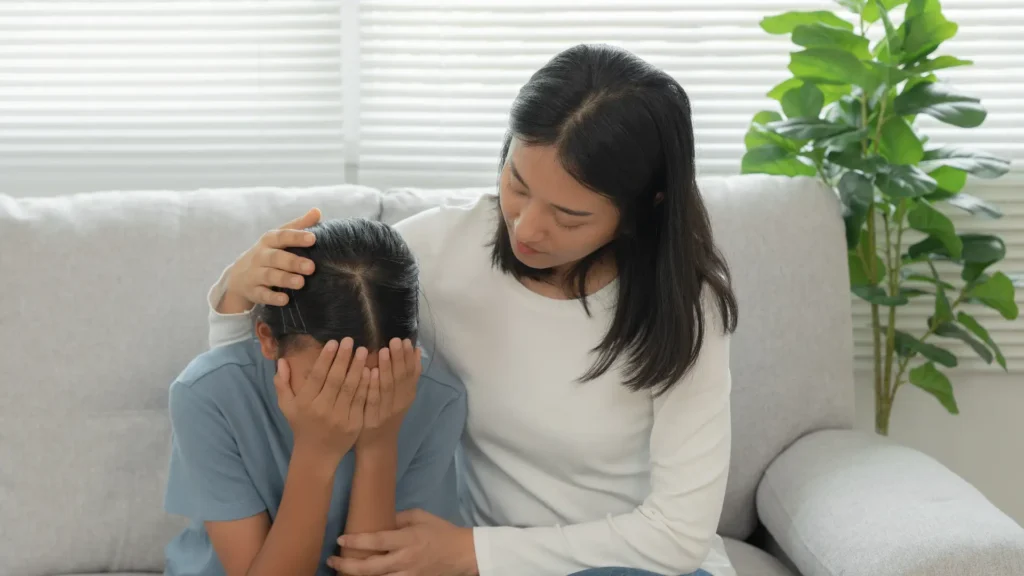
While no true “home test” exists for appendicitis, parents can perform gentle observations to gauge severity.
One simple approach Dr Leong suggests is lightly palpating (feeling) the abdomen. In suspected appendicitis, the belly often feels very hard or tender, and the child may react strongly with pain.
“Parents may try to feel or palpate the abdomen. In suspected appendicitis, the abdomen can be very hard to feel and it will be very painful. Any unusual reaction from the child should warrant a visit to the GP,” he explains.
Parents should also watch how symptoms respond to basic home measures. If pain persists or worsens despite rest, hydration, or mild remedies, or if prolonged symptoms fail to improve, this signals the need for professional evaluation.
Dr Leong stresses that these checks are limited—they cannot confirm or rule out appendicitis reliably. Home palpation risks aggravating the condition if done too firmly, and subtle signs might escape notice without medical training.
The goal is vigilance rather than diagnosis. Parents serve as the first line of observation, tracking changes in behaviour, appetite, energy levels, and pain patterns. Any unusual or escalating reaction should prompt action, as appendicitis can mimic milder ailments initially.
Recognising the Red Flags: When to Seek Immediate Medical Help

Dr Leong is unequivocal about the signs that demand urgent care. Key red flags include very severe abdominal pain combined with nausea, vomiting, diarrhoea, and a child who looks extremely unwell, often with high fever.
“The important red flags are very severe abdominal pain, associated with nausea, vomiting and diarrhoea and a very sick looking child. Usually there would also be very high fever. Always err on the safe side. Send the child for medical attention if in doubt,” he advises.
In Singapore, where emergency departments are accessible, he recommends heading straight to the ED if symptoms worsen overnight or on weekends. This cautious approach prevents perforation—a risk that increases with delay and leads to more serious complications. Parents should trust their instincts: doubt alone justifies seeking help.
Distinguishing Appendicitis from Other Common Causes of Abdominal Pain
One challenge in primary care is differentiating appendicitis from conditions like gastroenteritis or urinary tract infections (UTIs), which share overlapping symptoms such as pain, vomiting, fever, and diarrhoea.
Dr Leong explains that trained physicians rely on thorough physical examination and a high index of suspicion. In GP clinics, simple tools like urine dipstick tests help detect UTIs by checking for infection markers.
Anything atypical—such as pain localised to the right lower abdomen, rebound tenderness, or lack of improvement—prompts escalation.
Appendicitis often features progressive, migrating pain (starting near the belly button and shifting rightward), while gastroenteritis tends to involve more diffuse cramping and prominent diarrhoea early on.
UTIs might include urinary symptoms like pain on urination. However, these distinctions require expertise, reinforcing why self-diagnosis is unreliable.our child might be experiencing abdominal pain that aren’t related to appendicitis.
What to Do If Appendicitis Is Suspected: Initial Safe Steps Before Seeing a Doctor
If parents suspect appendicitis, the immediate recommendation is clear and non-negotiable. “Once a parent suspects it could be appendicitis, the parent and guardian must bring the child to see a doctor. Usually no self-medication is recommended,” Dr Leong states firmly.
Avoid giving painkillers that might mask symptoms or anti-diarrhoeal agents that could complicate matters. Focus on keeping the child comfortable—offer small sips of clear fluids if tolerated, encourage rest, and monitor closely for worsening. Do not delay professional assessment, as timely intervention (often via imaging, blood tests, and potentially surgery) yields the best outcomes.
Dr Leong’s guidance reflects a practical, parent-centred approach rooted in Singapore’s healthcare system. Appendicitis may be uncommon, but its potential severity means treating every suspicious case seriously.
By staying observant, recognising red flags, and acting promptly, parents can help ensure their child receives the care needed without unnecessary risk.
When in doubt, the safest path is always professional evaluation—better a cautious visit than a missed opportunity to intervene early.y changes and possibly laxatives. Recognizing these nuances helps tailor the right course of action for each child’s specific situation.
FAQ – How to Check for Appendicitis in Children at Home
1) How common is appendicitis in children in Singapore?
It’s relatively uncommon. KK Women’s and Children’s Hospital sees about 100–200 suspected cases per year (roughly one every two days, excluding private cases).
2) What are the early signs parents should watch for?
Severe abdominal pain, fever, nausea, vomiting, and sometimes diarrhoea. The child often looks very unwell (“toxic-looking”), though symptoms can start mild and worsen quickly.
3) Can parents check for appendicitis safely at home?
Gently feel the abdomen for hardness or extreme pain. Any strong or unusual reaction means see a GP right away—but home checks cannot reliably diagnose or rule it out.
4) What are the red flags that require immediate emergency care?
Very severe pain, high fever, persistent vomiting/diarrhoea, and a child who looks extremely sick. Always go to the emergency department if in doubt, especially at night or on weekends.
5) What should I do if I suspect appendicitis?
Take the child to a doctor immediately—no self-medication is recommended. Keep them comfortable with rest and small sips of fluid if tolerated, but don’t delay professional assessment.
1) How common is appendicitis in children in Singapore, and what are the most frequent early signs parents should watch for?
Based on statistics, there are approximately 100 to 200 cases of suspected appendicitis seen at KK children hospital each year. This number does not include those from the private sector. It is approximately one child with appendicitis every 2 days, considerably and relatively low. The most common presenting complaints seen at the primary care setting includes sever abdominal pain associated with fever, nausea, vomiting, and sometimes diarrhoea. The child should look very sick and in clinical term, we call them toxic looking. Of course, most of the time, it is on a spectrum, meaning they may present initially with much milder symptoms and it will be difficult for the parents and the General Physician to diagnose it. With continuous monitoring of the progress of the condition, the diagnosis should become clearer. Hence it is important to bring back to the same doctor or clinic if possible when the child remains unwell. In Singapore too, if the child worsens over the night or the weekend, it is wiser to bring them to the emergency department for assessment, investigation and management. Today, with most of the GP using National Electronic Health Record, the doctors at the Emergency Department are able to access the information from the GP.
2) What simple home checks can parents safely do to assess for possible appendicitis, and what are their limitations?
Parents may try to feel or palpate the abdomen. In suspected appendicitis, the abdomen can be very hard to feel and it will be very painful. Any unusual reaction from the child should warrant a visit to the GP. Similarly, any prolonged symptoms made better with home remedy should also alert the parents to bring the child for medical attention at the GP.
3) What are the key red flags that mean parents should seek immediate medical help (e.g., emergency department)?
The important red flags are very severe abdominal pain, associated with nausea, vomiting and diarrhoea and a very sick looking child. Usually there would also be very high fever. Always err on the safe side, Send the child for medical attention if in doubt.
4) How do you distinguish appendicitis from other common causes of abdominal pain in kids (e.g., gastroenteritis, UTI)?
The differentiation by a trained physician is the physical examination and a high index of suspicion. At the GP clinic, we also rely on urine dipstick to detect signs and evidence of urinary tract infection. Anything out of the ordinary, we will escalate the care.
5)What initial safe management do you recommend for suspected mild cases before seeing a doctor?
Once a parent suspect it could be appendicitis, the parent and guardian must bring the child to see a doctor. Usually no self medication is recommended.
Medically Reviewed
About the Experts
 Reviewer
Dr Leong Choon Kit
MBBS, M.Med (Public Health), GDFM, MCFP(S), FCFP(S), FAMS (Family Medicine) — Adjunct Assistant Professor, Duke-NUS & NUS
Dr Leong Choon Kit is a family physician and public health advocate with extensive experience in primary care, public policy, and vaccination initiatives. He leads Tampines Family Medicine Clinic and the Class Primary Care Network, and co-authored Singapore's Adult Vaccination Guidelines. An Adjunct Assistant Professor at both Duke-NUS Medical School and NUS, he has spent over a decade mentoring pre-medical students across all three local medical schools and is deeply committed to nurturing the next generation of doctors.
Written By
About the Writer
 Writer
Timothy Leong
Writer, Content Editor & Marketing Specialist — MMC
Timothy Leong is the writer, content editor, and marketing specialist at MMC. With experience in writing and creating websites for local businesses, he makes sure that everything online runs smoothly.