
This is general nutritional information and not medical advice. Protein shakes are supplements, not medicine. Consult your doctor before adding to your diet, especially if you have health conditions.
This article contains affiliate links. MMC may earn a small commission at no extra cost to you. Recommendations are informational only.
- The main lactose-free RTD high-protein shake online in Singapore (2026) — currently the only major option widely listed.
- 24–42g protein per bottle — 3–6g sugar and 150–230 calories, depending on the flavour.
- Creamy milkshake taste — works well if you like chocolate or vanilla milk, though some find it sweet.
- Useful post-workout or as a quick protein boost — not a full meal replacement.
- Convenient for lactose-intolerant people and anyone who wants protein on the go.
- Alternatives exist — powders, plant-based drinks, homemade shakes. Whole foods are still the better default.
Bottom line: a convenient lactose-free protein drink if you already want a shake. It is not essential if your meals already cover protein. Check with a doctor or dietitian before relying on it regularly.
What are Fairlife Protein Shakes?
I recently tried drinking Fairlife Protein Shakes and it’s a little bit like drinking a steak because you feel full, satisfied and energetic but without actually chewing anything.
Fairlife Protein Shakes are creamy, high-protein, lactose-free dairy shakes that are meant to feel more like a dessert than a “health drink”. While also keeping sugar and calories relatively low. Although you probably shouldn’t replace it with an actual meal, it is a good way to boost your protein intake.
Anyhow in this article, I will be taking a look at what are Fairlife Protein Shakes, why you might need them and a doctor’s honest opinion about protein shakes. More of that to come.
Fairlife Protein Shakes Key Features & Nutrition Facts
Fairlife Protein Shakes typically have 24-30g of protein per bottle, moderate calories (about 130-240 calories per serving) and low sugar (about 2-6g of sugar). But most importantly, they are lactose-free meaning that they are made from ultra-filtered milk with lactose removed. Meaning that Fairlife Protein Shakes are suitable for lactose‑intolerant people (but still dairy).
According to Dr. Titus Leong, adult men generally require about 0.84 g of protein per kg of body weight daily, while women need around 0.75 g/kg. Active individuals aiming to build muscle, as well as elderly patients, often benefit from higher intake — up to 1 g/kg or more — to support muscle growth and prevent age-related loss. For personalised recommendations, he advises consulting a dietitian.
Fairlife Protein Shakes also includes protein (24-30g), fat (2-4g), carbohydrates (6-10g), sodium (150-190mg) and calcium (50-130% of daily value).
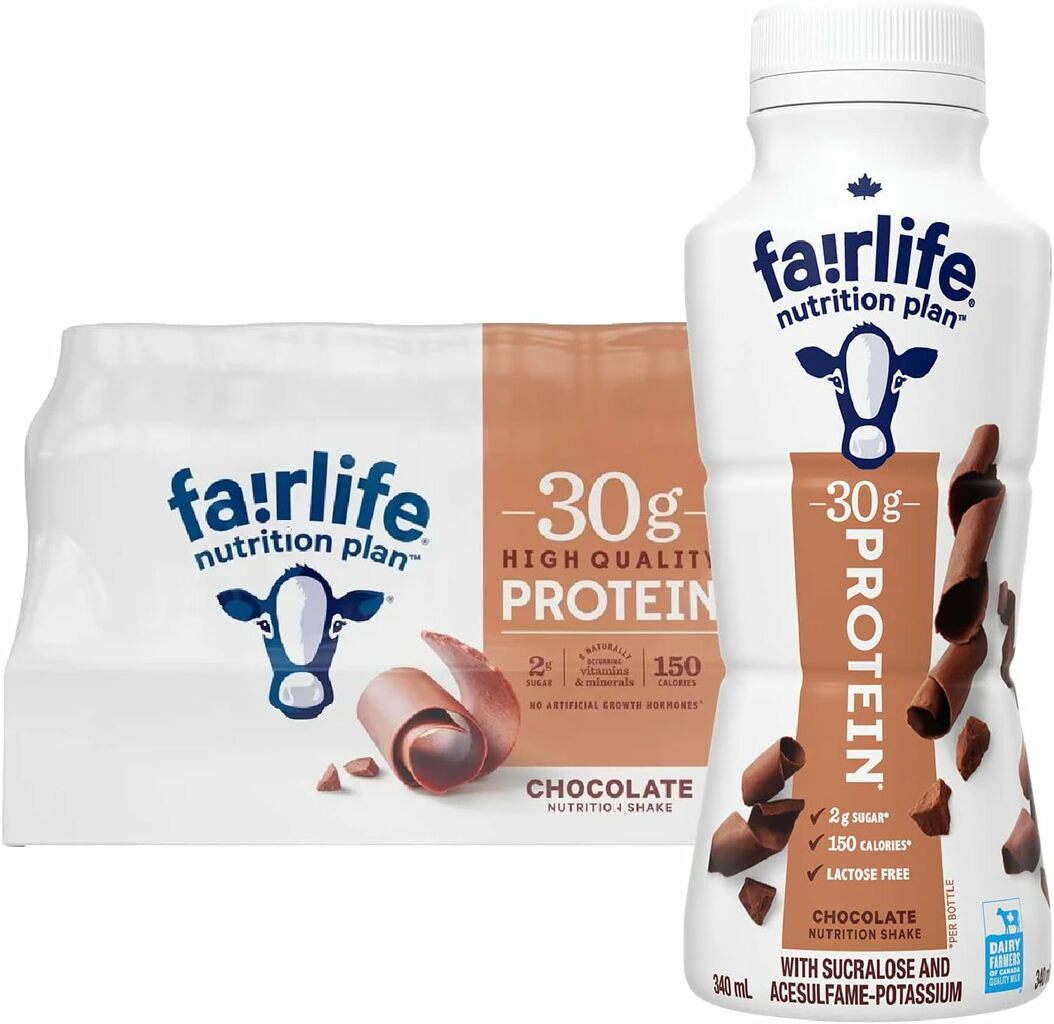
Fairlife’s exact numbers vary by product, but this table shows typical nutrition for a standard Fairlife Nutrition Plan‑style shake (about 11.5 fl oz / 340 ml).
| Nutrient | Approx. Amount per Bottle (340ml) | Notes |
|---|---|---|
| Calories | 150 kcal | Standard high-protein shake range |
| Protein | 30 g | From ultra-filtered milk |
| Total Fat | 2–3 g | Includes about 1.5–2 g saturated fat |
| Carbohydrates | 4–8 g | Varies slightly by flavour |
| Total Sugars | 3–6 g | Lactose removed; uses low/no-calorie sweeteners |
| Dietary Fiber | 1 g | Small amount, not a major fiber source |
| Sodium | 150–190 mg | About 6–8% of daily value |
| Calcium | ~50–60% DV | High due to dairy base |
| Vitamin D | ~40–50% DV | Often fortified |
| Potassium | ~10% DV | From milk plus fortification |
Values are approximate and can vary by product line (Nutrition Plan vs Core Power Elite) and flavour. Always check the label on your bottle for exact details.
If you can tolerate small amounts of lactose, the Rokeby Farms Protein Smoothie is worth considering. It uses added lactase to reduce lactose and tastes closer to fresh milk than any other shake we’ve reviewed.
Fairlife Protein Shakes Varieties Available
Fairlife Protein Shakes has 3 main product lines: Fairlife Nutrition Plan, Core Power and Core Power Elite.
Fairlife Nutrition Plan is a smooth, everyday protein shake with about 30g of protein. It has very low sugar, moderate calories and is designed to be a light meal or snack that keeps you full without feeling heavy. As of 2026, they have 2 flavours: Chocolate and Vanilla.
Core Power is a post-workout style protein shake that is meant to help refuel muscles and support recovery after exercise. It has around 26g of protein and has more carbs than the Fairlife Nutrition Plan protein shake. As of 2026, they have 3 flavours: Chocolate, Vanilla and Strawberry Banana.
Lastly, the Core Power Elite (corelife protein shake) is a higher protein, higher octane version that has 42g of protein per bottle meant for people with higher protein needs. Such as heavy lifters or athletes who want the maximum protein in one convenient drink. As of 2026, they also have only 2 flavours: Chocolate and Vanilla.
Potential Benefits & Who Might Need It
Fairlife Protein Shakes can potentially help with protein intake for muscles as they have around 26-42g per bottle. It also supports muscle repair and recovery especially when drank about 1-2 hours after workouts.
Fairlife Protein Shakes can also help you to feel full, with relatively low calories (at about 150 kcal). This can increase satiety and help with weight management and potentially meal replacement. Although it is advised not to replace eating proper meals with protein shakes.
It’s lactose-free dairy means that it could be a suitable milk replacement for people who are unable to consume diary and has lower sugar than most drinks. Which would be helpful for those watching sugar or blood glucose.
So if you work out regularly, need easy protein or are lactose-intolerant, than Fairlife Protein Shakes might be great for you.
While protein shakes are generally safe, Dr. Titus Leong highlights that gastrointestinal upset, such as bloating, is a common side effect — particularly in those with pre-existing digestive issues. He adds: “While regulation is stricter in Singapore than in some countries, it’s still wise to choose reputable brands.”
Fairlife Protein Shakes Taste Review
When you first drink the Fairlife Protein Shake, it will feel almost like you are drinking flavoured milk or a milkshake. It has a smooth, creamy, milk-like texture that tastes more like chocolate milk for example.
It’s also not your typical chalky protein drink, especially for the chocolate and vanilla flavours. I have drank the Milo Protein formula before and there is this chalky taste.
I did notice that there is a sweet after taste especially if the shake is not really cold. But I myself do not really like sweet things so this could just be me. Also personally I quite like drinking flavoured milk so the creamy milky texture is not a problem for me, but it might be for someone who does not like to consume flavoured milk.
How does Fairlife Protein Shakes Compare to Other Brands?
How does the Fairlife Protein Shake compare to other ready to go protein shakes? So protein shakes in general taste quite similar, but Fairlife Protein Shakes stand out for being very milkshake-like, having a creamy taste and also being lactose-free. Whereas many local protein shakes skew to being more “milky” (Rokeby Farms) or more “light” or “tea-like” (Clear Whey/Protea).
Fairlife Protein Shakes also on average have more protein content per bottle while having lower sugar and lactose-free dairy. If you prefer something more light, refreshing, plant-based or more “drinkable” in Singapore’s heat, you might want to consider other options such as Protea Clear Whey.
Head To Head
Fairlife vs Applied Nutrition vs Rokeby Farms vs Meiji
Compare |
Fairlife Nutrition Plan · 340ml |
Applied Nutrition High Protein Shake · 500ml |
Rokeby Farms Protein Smoothie · Strawberry |
Meiji High Protein Milk · Original |
|---|---|---|---|---|
| Protein | 30 gper 340ml · 8.8g per 100ml | 42 gper 500ml · 8.4g per 100ml | 30 gper 425ml · 7.1g per 100ml | 32.2 gper 350ml · 9.2g per 100ml |
| Calories | ~150 kcal | 240 kcal | 287 kcal | 180 kcal |
| How it’s made | Ultra-filtered milk + lactaseprotein from the milk itself | Reconstituted milk protein concentratedried powder + water | Cold-filtered fresh milkno added powder | Milk base + added protein concentratereal milk, not reconstituted |
| Added sugar | 0 g | 0 g | Yes — cane sugarsome flavours | 0 g |
| Total sugar | 3–6 gmost lactose removed | 17 gnaturally occurring | 25.1 gincludes added cane sugar | 5.3 gnaturally occurring |
| Fat | 2–3 g | 0.5 g | 6.4 g4.7g saturated | 1.8 g |
| Lactose | Lactose freeremoved by ultra-filtration | Not lactose free | Low lactose~2.1g per bottle; lactase added | Low lactosenot lactose free |
| Sweetener | Sucralose + acesulfame-K | Sucralosevery sweet | Cane sugarno artificial sweetener | Noneno artificial sweetener |
| Calcium | ~730–750 mg~60% DV; Nutrition Plan 340ml | Not stated | 833 mg104% of daily intake | 700 mg88% of daily intake |
| Taste | Rich and creamy, milkshake-like | Thick, powdery, very sweet | Creamy, real flavoured milk | Light flavoured milkclosest to regular milk |
| Buy in Singapore | Online onlyAmazon, Lazada, Ubuy | In storesFairPrice, Shopee, Amazon.sg | In storesFairPrice, Cold Storage | EverywhereFairPrice, Cold Storage, Sheng Siong, Cheers |
| Best for | Lactose intolerance | Most protein per dollar | Taste closest to milk | Lowest sugar & calories |
For the highest protein count at the lowest price point, the Applied Nutrition High Protein Shake delivers 42g per 500ml. Though it’s made from reconstituted milk protein powder rather than fresh milk, and not lactose-free.
Alternatives to Fairlife Protein Shakes in Singapore
If Fairlife Protein Shakes doesn’t suit your taste, dietary preference or budget, you might want to consider other alternatives for protein intake. Thankfully it’s really easy to do so in Singapore. Meat, Seafood, Eggs, Dairy and Plant options (eg. Tofu) are readily available in supermarkets, affordable and are in a lot of Singaporean food.
Yoghurt such as Greek Yoghurt are also great alternatives for protein intake. Brands such as Chobani, Farmers Union, Fage and Evia give on average 8-20g of protein per serving and can easily be found in Supermarkets such as FairPrice NTUC, Cold Storage and Little Farms.
Soy-based options such as tofu, tau kwa, tempeh and beancurd are also good protein options. Soy milk, lentils, chickpeas, nuts, almonds and beans are also good options that can be found easily.
Dr. Titus Leong emphasises that most average Singaporeans get sufficient protein from regular meals and don’t necessarily need shakes unless actively building muscle or doing heavy physical work.
He recommends: “Ensuring adequate protein in each meal should suffice for the average person. Whole-food sources remain the preferred option for the majority.”
If you want something closer to regular milk and widely available at any FairPrice or Cheers, the Meiji High Protein Milk is low in lactose with zero added sugar. A different product category to Fairlife but worth knowing about.
Where to Buy Fairlife Protein Shakes in Singapore (2026 Update)

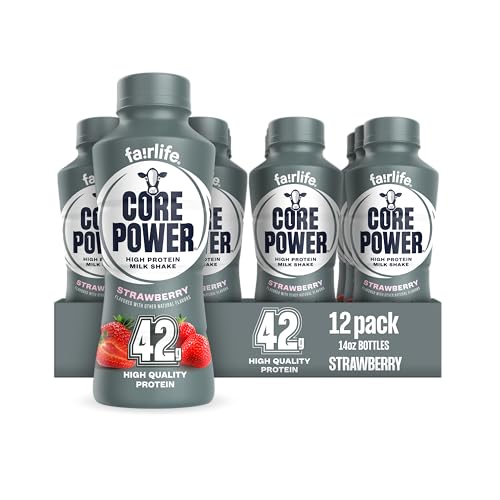
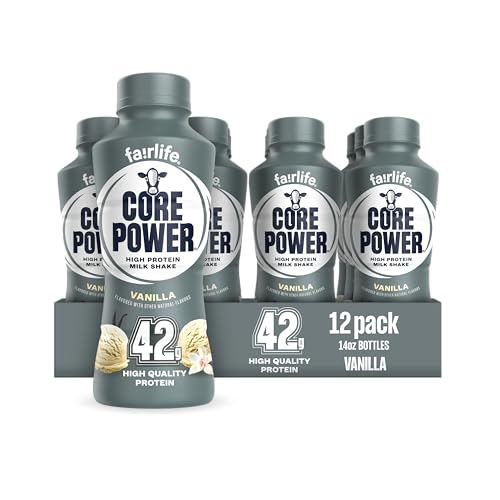
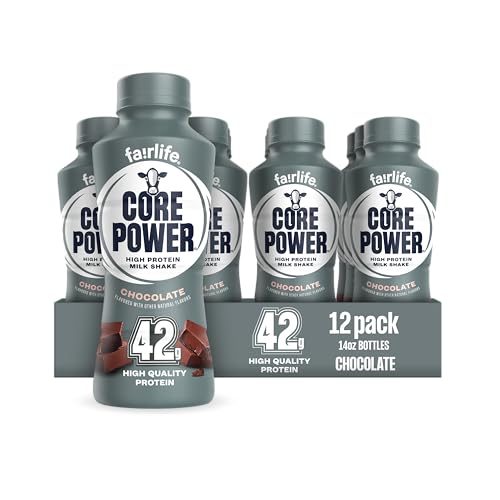
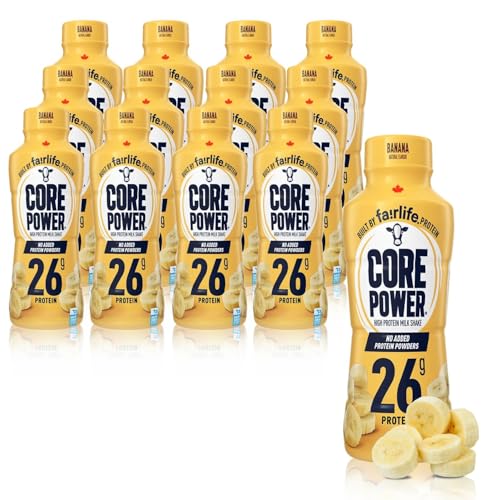
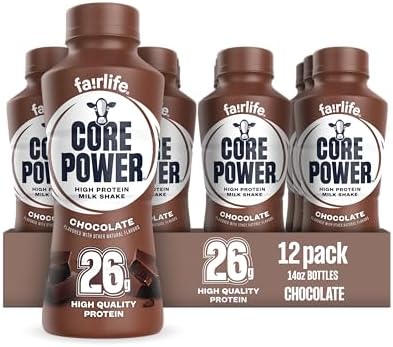
As of 2026, Fairlife Protein Shakes can only be found from online stores such as Amazon, Lazada, Ubuy and some other smaller online stores. Unfortunately they can’t be found at the bigger retailers such as FairPrice NTUC and Cold Storage.
Fairlife Protein Shakes Recipe Ideas
When I first started drinking protein shakes, I got bored of the taste quite quickly. If you are in the same situation, you can consider consuming Fairlife Protein Shakes in other ways with some of these recipe ideas:
Fairlife Protein Shakes “Ice-Cream”
You can try freezing a Fairlife Protein Shake in a freezer and then churn it in an ice cream make to get an ice cream life texture. You can also add cocoa powder, milo powder or even peanut powder before freezing to make it more like a dessert. It requires a bit more effort to make this but can be a good idea especially for the heat in Singapore.
Blend it with Fruits
This next method is actually my favourite since it is really really easy. Just pour Fairlife Protein Shake into a blender, add fruits to it and blend away! You would get something really different that would shake (pun intended) your routine. The first time I tried this I just put a banana with the protein shake in the blender and it really made a big difference.
Protein Coffee (Proffee)
If you love coffee the next method is also really brain dead simple. The next time you are making coffee, just use Fairlife Protein Shake as the milk ingredient. You then get a high-protein latte (or whatever you are making). I love coffee myself and actually can’t wait to try this method out.
Overnight Protein Oats
The last method is also really really simple and great if you love eating oats. Just use Fairlife Protein Shake to soak with your favourite oats overnight. When you wake up in the morning, you can add berries, nuts, yoghurt to get a high-protein breakfast oat bowl.
If you’re training seriously and want more control over your serving size and protein intake, a powder-based option may suit you better. We tested the Muscle Nation Daily Shake over a full week as part of this series.
PROTEIN SHAKE
Frequently Asked Questions
Are Fairlife protein shakes lactose-free?
Yes. Ultra-filtered milk removes nearly all lactose, so Fairlife is generally suitable for lactose intolerance.
Dr Titus Leong notes that persistent symptoms after drinking it may point to something else, such as IBS — not leftover lactose.
Does Fairlife contain dairy?
Yes. Fairlife protein shakes are made from ultra-filtered cow’s milk.
They are dairy products that happen to be lactose-free — not plant-based drinks.
How much protein do I actually need daily?
Dr Titus Leong’s figures: about 0.84 g/kg body weight for adult men and 0.75 g/kg for adult women.
People building muscle, doing heavy physical work, or older adults may need closer to 1 g/kg or more.
Are Fairlife shakes available in Singapore supermarkets?
No — not as a regular supermarket staple as of 2026.
They’re mainly sold online via Lazada, Shopee, Amazon and Ubuy.
Can Fairlife help with muscle recovery or weight management?
The high protein can support satiety and recovery when it’s part of your total daily intake and timed reasonably.
It is not a meal replacement. Daily protein from food still matters more than any single bottle.
What are the potential side effects?
Bloating or other GI discomfort is the most common complaint, especially in people who already have digestive issues, says Dr Titus Leong.
How does Fairlife compare to other shakes?
Fairlife is typically higher in protein and lower in sugar than many ready-to-drink shakes, but it costs more.
Protein powders are usually cheaper and easier to customise.
Are there vegan or plant-based alternatives?
Yes — options include Orgain, Owyn, Ripple, and pea or rice protein powders.
Do most people need protein shakes?
Dr Titus Leong: “Most average Singaporeans get enough from meals.”
Shakes are useful for specific goals — muscle building, recovery, or convenience — not as a default for everyone.
What’s the difference between Fairlife lines (Nutrition Plan, Core Power, Elite)?
Nutrition Plan — about 30g protein, lower calories.
Core Power — about 26g protein, more carbs.
Elite — about 42g protein, the highest-protein line.
Can children, pregnant women, or elderly people use Fairlife?
Generally safe in moderation for most people, but it isn’t a one-size-fits-all product.
Get personalised advice from a doctor or dietitian before using it regularly in these groups.
Final Recommendations
Fairlife’s ultra-filtration process removes nearly all lactose, making it suitable for most people with lactose intolerance.
Dr. Titus Leong notes: “Lactose-free protein shakes are generally a good option for people with lactose intolerance. If someone still experiences symptoms after trying a truly lactose-free product, it may point to another condition such as IBS or IBD — in that case, they should see their GP for further investigation.”
Medically Reviewed
About the Expert
 Reviewer
Dr Titus Leong
BClinSc/MD — Physician, Flinders University Graduate
Dr Titus Leong is a doctor currently working in Australia with multiple years of clinical experience across both rural and metropolitan settings. A graduate of Flinders University, he works at a tertiary hospital servicing roughly 50,000 inpatients annually and is part of their Basic Physician Training programme.
Written By
About the Writer
 Writer
Timothy Leong
Writer, Content Editor & Marketing Specialist — MMC
Timothy Leong is the writer, content editor, and marketing specialist at MMC. With experience in writing and creating websites for local businesses, he makes sure that everything online runs smoothly.